Design Summary
Shape
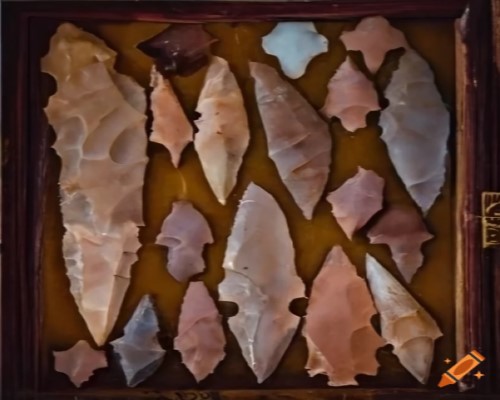
by blackswift.space / Design / 1Blackswift experimental aircrafts are varied, but the basic goal remains to keep the fuselage height-wise as thin as possible. Their design is that of mostly blended wing body or delta wing shaped aircrafts, shaped like arrow heads (patent pending).
Back to Top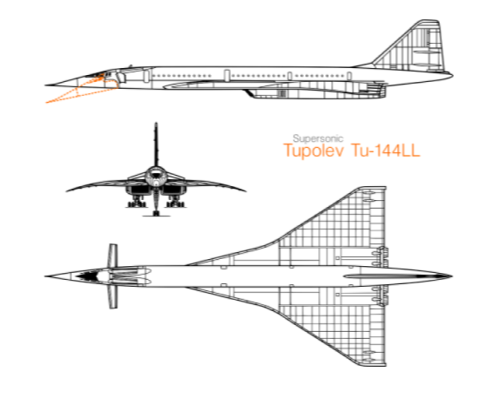
Airframe
by blackswift.space / Design / 2Their airframe is made of Titanium and Aluminium alloy, with Titanium alloy used for all length-wise trusses. Tessellated structures may wrap around some aircraft sections, with frames, longerons, and stringers, as rivet points for the aeroshell.
Back to Top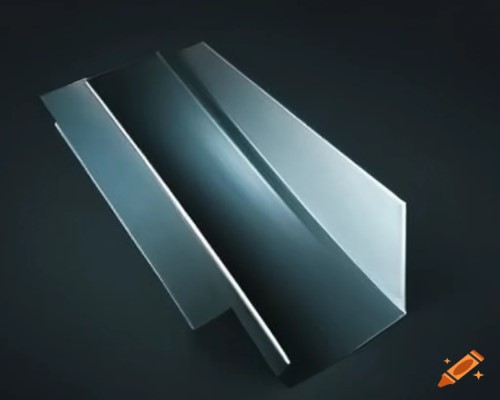
Aeroshell
by blackswift.space / Design / 16Their aeroshell is made of carbide (Boron Carbide) covered Titanium panels or Titanium Composite panels (TCP). Some sections of the fuselage may be covered with Carbon fiber or foam, other sections with Polyamide-Imide panels.
Back to Top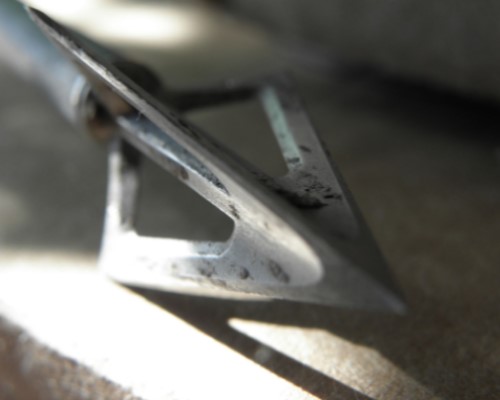
Streamlining
by blackswift.space / Design / 5Designing the front fuselage to look like an arrow head, and tapering the fuselage, increases streamlining. The effect desired is that of a sheet of paper for fuselage, and with the nose of the aircraft as the point of a sword into the wind.
Back to Top
Foam & Coatings
by blackswift.space / Design / 5Battery casings and carbon-fiber electrical conduits are filled with foam aerogel to prevent fires (electrical) from spreading. Aerogel is used for sound and thermal proofing. An adiabatic cryo-cooling system is used to reduce the aircraft's heat profile.
Back to Top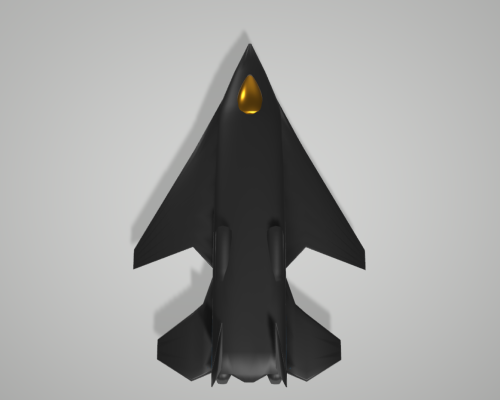
Air Intakes
by blackswift.space / Design / 6Air intakes are square or elliptical at the front, and their placement is aft lateral or dorsal. They are shaped to fit the contour of the aircraft. Their dorsal placement results in a smooth underside and lower radar profile for the experimental fighter aircrafts.
Back to Top
Air Brakes
by blackswift.space / Design / 15Emergency deceleration, which might be needed to reach the nearest airport, uses the same air inlets acting as air brakes (patent pending). Special spoilers may be added, to the fuselage and wings of all designs, to help in active deceleration.
Back to Top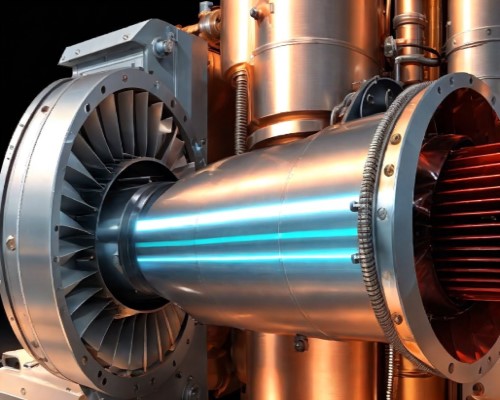
Power Generators
by blackswift.space / Design / 13Blackswift PPM power generators, along with hyper-capacitive batteries, provide most of the electrical power required by onboard devices and machinery. Emergency power is provided by ramjet power generators embedded in the air inlets.
Back to Top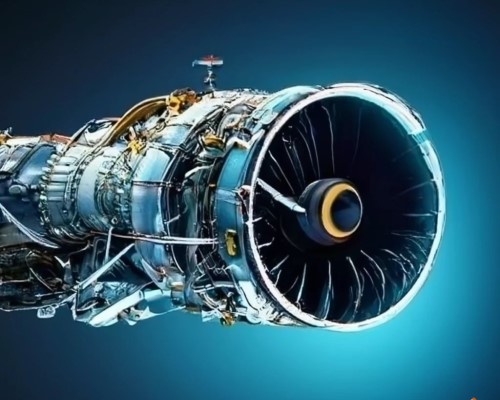
Propulsion
by blackswift.space / Design / 3Propulsion is provided by ramjet-spikes or turbofans. Both type of engines are no more than 2 meters in diameter, and rated for at least Mach 1.5 cruising speed. The turbofans may use Ethanol instead of Jet 1-A for fuel, and the ramjet-spikes Ethanol or Methane.
ll Back to Top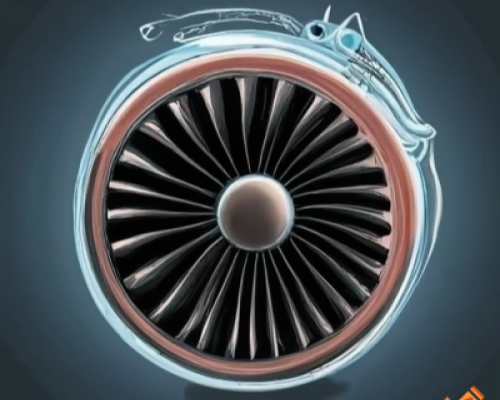
Ducted Fans
by Swift Fighter / Design Pane / 6The 1+ meter diameter ducted fans use contra-rotating blisks, and are able to deliver several metric tons of lifting force each. Ducted fans are electrically powered by gas-turbines. The power is for servo motors coupled to the ducted fan's blisks.
Back to Top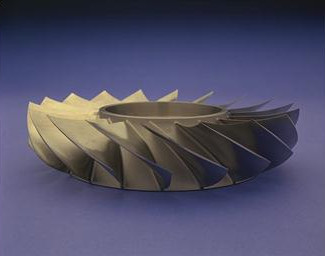
LM Rotor
by Swift Fighter / Design Pane / 6The ducted fan, used in the FOF saucer design, is powered by a linear motor mechanism. Turbine type blades are used for the set of contra rotating blisks floating on Neodymium magnets. The linear motor mechanism is electrically powered by gas-turbines.
Back to Top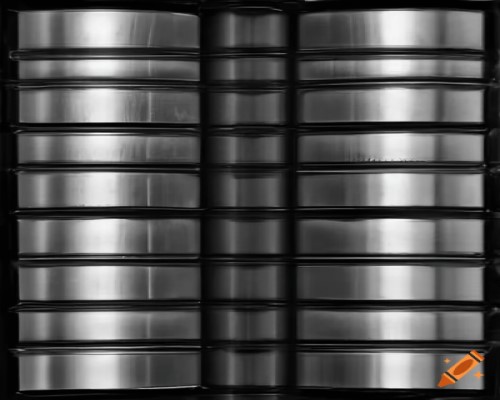
Fuel Tanks
by blackswift.space / Design / 4The Ethanol/Jet-A-1 fuel tanks are, in addition to the standard wing embedded ones, multi-cell and located at the bottom of the fuselage and in the outer sides of the fuselage (also true for flying saucer designs) as multi-cell fuel pods connecting to the wings.
Back to Top
Weight Stabilization
by blackswift.space / Design / 13Active fuel pumping which was required by the Concorde SST for weight stabilization, is obviated by the our multi-celled fuel tank design (patent pending), where each cell has its own redundant fuel pump, and each fuel pump extracts an equal amount of fuel per second to match the set of engines fuel requirement.
Back to Top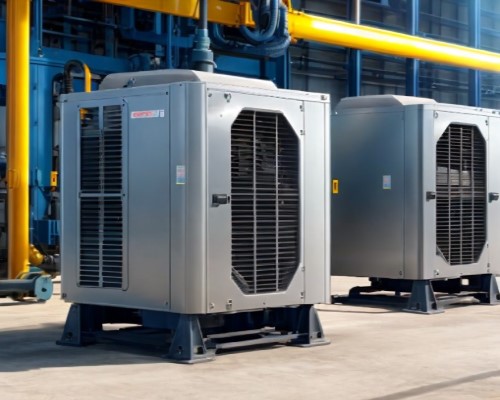
Heat Pumps
by blackswift.space / Design / 13All versions of the Blackswift SST aircrafts have a heat exchanger system to extract condensation out of their inner structure. They also shuffle heat from the heat-prone sections of the aircrafts to the cooler sections. Chilled Ethanol for fuel is used to facilitate the heat exchange airflow.
Back to Top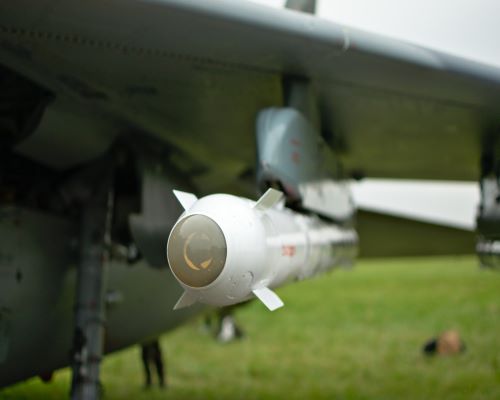
Armament
by Swift Fighter / Design Pane / 3Armament bays of the XF fighters includes 3 Amraam pods, 4 Sidewinder pods, two 4-barrel rotary cannons, and a coil gun or a LASER cannon powered by the gas turbine. Counter-measure chaff and flares are housed to the sides of the aircraft's rear. All missiles are re-engineered to have collapsible fins when stored.
Back to Top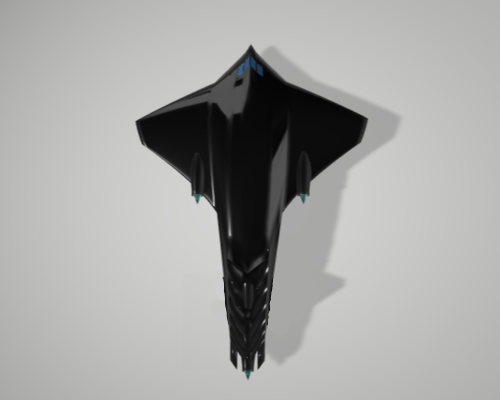
DragonFly
by Swift Fighter / Design Pane / 6One version of the Exocet LanceHead may forgo both the horizontal and vertical stabilizers, and instead use a vectoring fuselage, akin to a dragonfly's use of its abdomen as a rudder. The vectoring fuselage is able to bend, generating a certain amount of pitch and yaw, with the possible help of spoilers.
Back to TopInvestors welcome !
For more information